A Life Beyond Paris
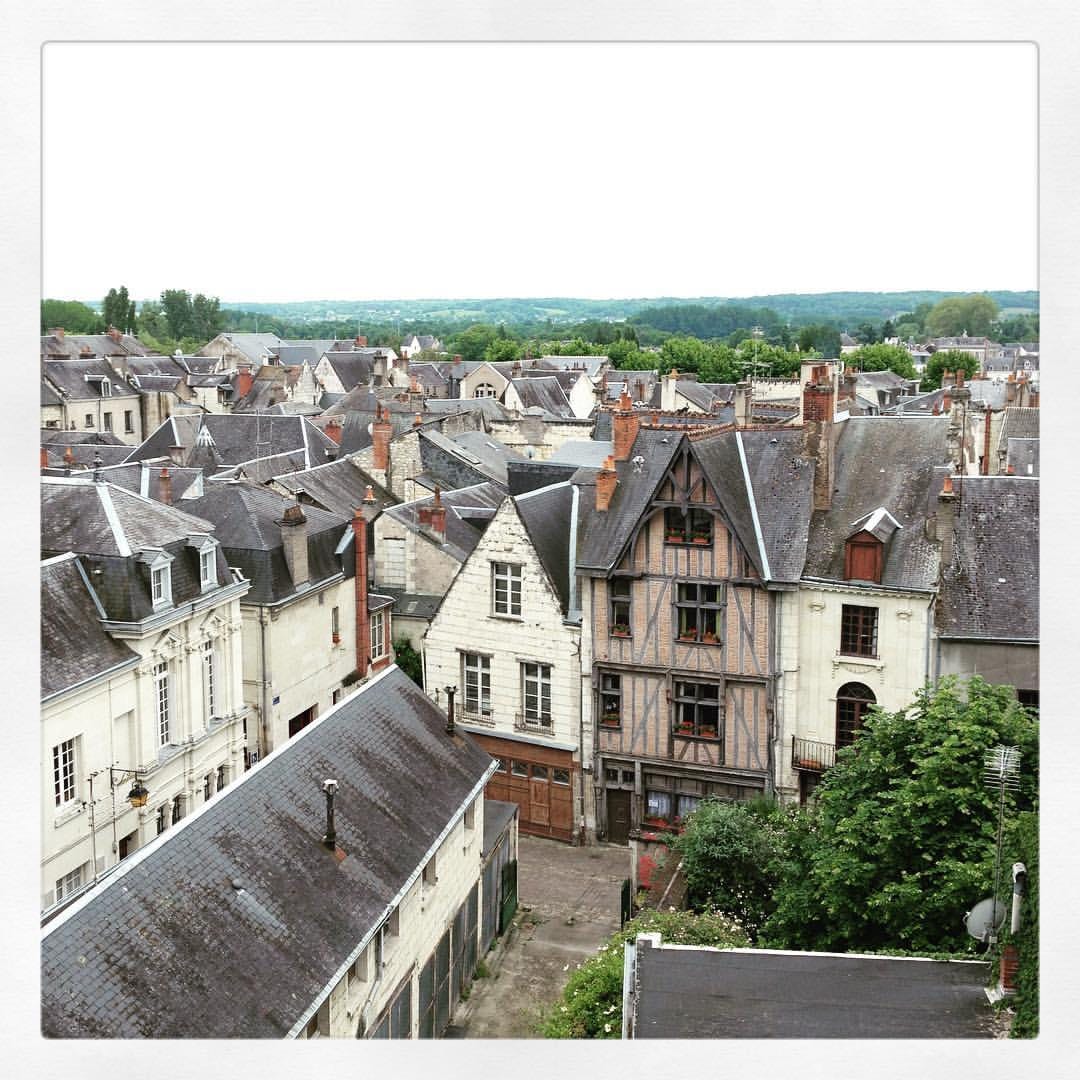
Picture postcard perfect Chinon

We travel, some of us forever, to seek other states, other lives, other souls. - Anaïs Nin
I visit Paris occasionally. I take the train up, spend a few days seeing friends, wandering my favorite quartiers, visiting museums, shopping. Just getting my fill of … (ha!!) I was going to say culture, but I don’t need to go to Paris to be surrounded by culture, art, and history.
I go to Paris to get my fill of solitude.
Those long weekends in Paris are a way for me to escape the pressures of my everyday life, work and deadlines and competition, the often-crushing stress and anxiety I experience from all directions, the constant hustle and bustle of the hotel and the problems that keep cropping up, always demanding immediate resolution, and living surrounded by people. So I (over)pack a suitcase, and take the train to Paris.
I love roaming through the 3rd and the 4th, both lovely and lively; I think the 10th is cooler than the 6th now, less pretentious, more real, maybe. Bustling. I’ve stayed a couple of times in the 15th, and while I hesitated at first (“It’s so far away!”), I’m now enchanted by the quaint, small-town, neighborhoody feel of the place. Meandering through the streets of Paris, wide avenues and narrow streets and along the Seine, I invariably spy details that surprise me, discovering street art or unusual old storefronts, strange architectural features, and a completely different aura from what I am used to every other day. I love this city’s secret corners and the down-and-out local eateries and the never-ending feast for my curiousity.
And if I stay away from the tourist hubs, I am overcome by a surprising sense of serenity (which I don’t often, feel) and flooded by a gentle happiness (gentle, yes, that’s the word). It is a beautiful city. When I’m alone and off the beaten track, Paris feels suddenly intimate, revealing its grace and charm only, seemingly, to me. Small villages within large cities.
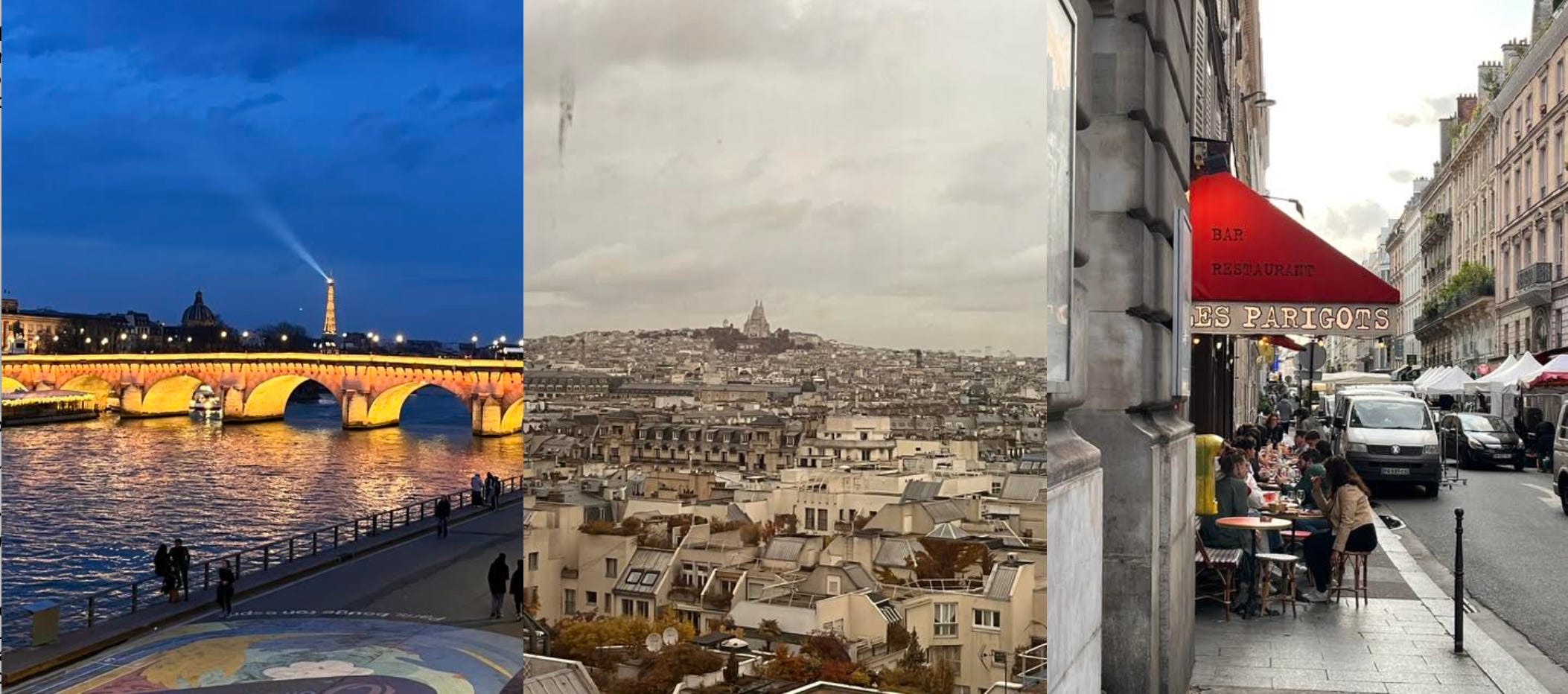
I know Americans go gaga for Paris. There is a cinematic mystique about the City of Light that is romanticized endlessly - the quaintness of the street cafés where Parisians go to smoke cigarettes and sip espressos and read books or stare at the passersby for hours together; the glamour and fashion, the bewildering self-confidence and air of effortless, stylized cool of the residents, adults and children alike. Lingering lunches over wine or the eponymous café au lait and croissant beurre while animatedly chattering on and on about politics or philosophy or art or life.
But I’m tired of those stereotypes. No, not all the women are thin (or dress in Chanel and Dior), not all the children are well behaved, not all Parisians are chic, and not everyone is a good home cook or able to discuss (or cares about discussing) the subtleties of wine and cheese. The French don’t stroll the streets with a baguette tucked under their arm or even eat croissants every morning and pastries every afternoon. And I, more often than not, find myself tucked between tiny tables of tourists than locals on those sidewalk café and bistro terraces. At home, I find myself yelling uncontrollably when some American tv series or movie (or cookbook) insists on serving up the same well-worn clichés of Paris and the French.
* le sigh *
While I can admit that I am still dazzled by the Eiffel Tower glittering in the snow and the beautiful old stone façades with those stunning wrought iron balconies, and while I can never get enough of the Place des Vosges filled with - yes - Parisians through every beautiful season, I’m long beyond all of the seductive, romantic illusions.
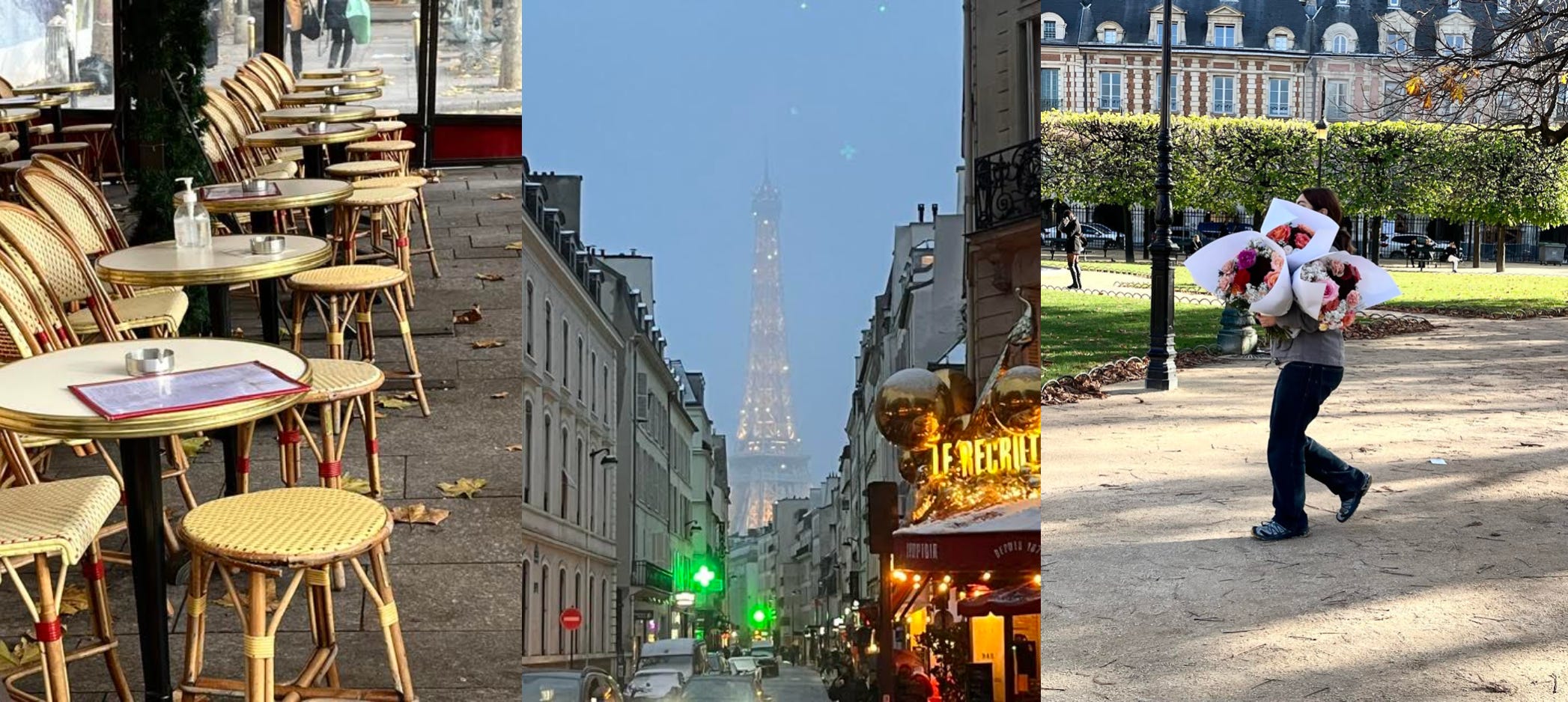
I see Paris as a city. A large, magnificent, rather spectacular city. Sometimes dirty, much too crowded, often exasperating, and frequently overwhelming. I see both the allure and the flaws. And I’ve lived long enough with the French to know that they are an unremarkable yet extraordinary bundle of contradictions and maddeningly human - and normal - like the rest of us.
But for all splendor of Paris, I find it to be a too elegant, a too sophisticated, a little too grandiose for my taste. I find it staid and conservative. It’s a beautiful, impeccably dressed woman one admires from afar yet cannot approach; she’s perfectly composed, handsome, classically chic, self-consciously polished, and discreetly ornate. She doesn’t warm up or let down her guard.
Yes, once in a while she breaks into giggles or bursts out laughing or lets flash her temper. It’s unexpected and exciting. And you want it to happen again. And again. But the stony façade returns, demanding respect and distant appreciation. Never to be let into whatever is behind the screen. Demanding you be as well-behaved and as genteel as she.
At night I would climb the steps to the Sacre-Coeur, and I would watch Paris, that futile oasis, scintillating in the wilderness of space. I would weep, because it was so beautiful, and because it was so useless. ― Simone de Beauvoir, Memoirs of a Dutiful Daughter
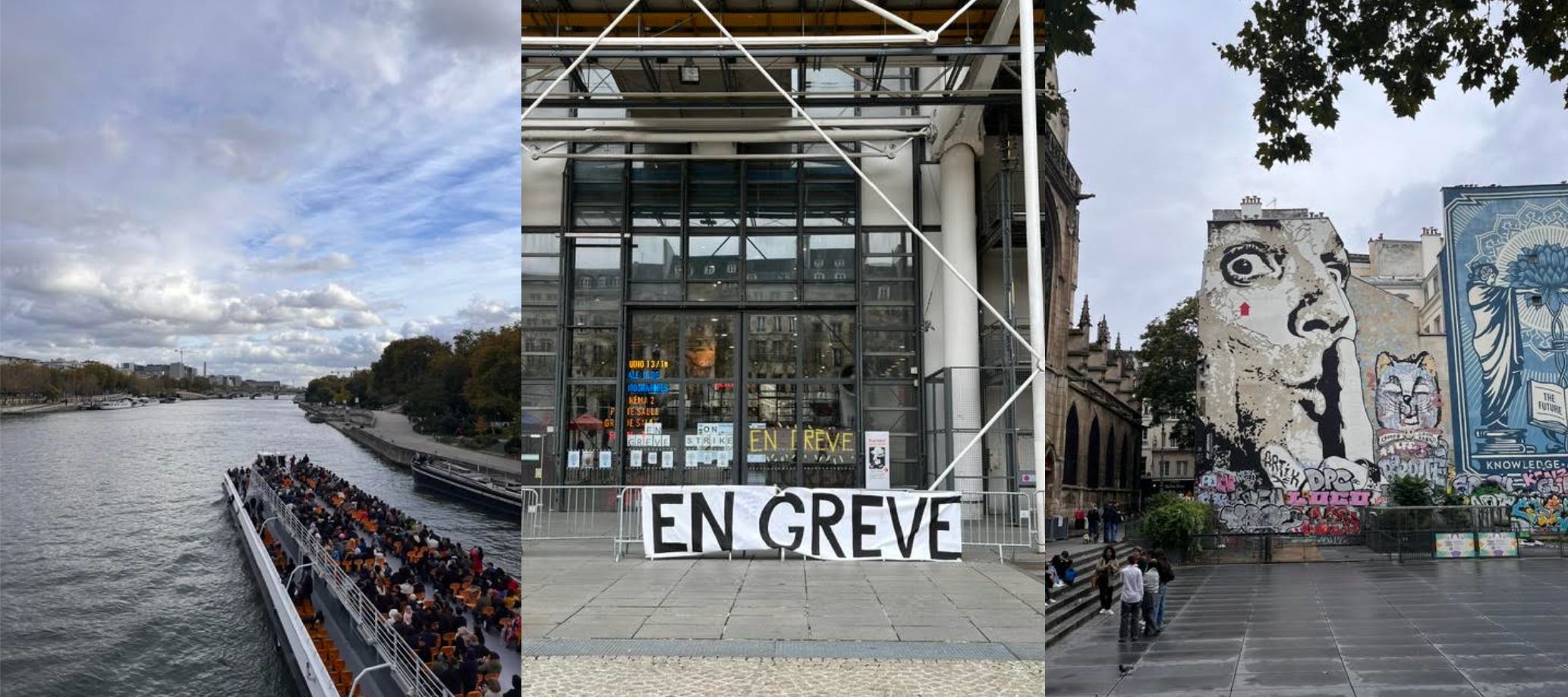
I’m more drawn to a place like Brussels or Rome. A big mash-mash of styles and cultures, a rambunctious, noisy, chaotic, disorganized vitality, a vibrancy that one can cut with a knife. A city that can laugh at itself. Every striking, breathtaking, unique feature of these cities is almost beside the point, something that exists as part of an energetic, colorful, cultural whole, something to be lived rather than admired. I love a city that is too busy living to notice how beautiful it is. Paris is self-conscious about its reputation and its looks; I love a city that’s nonchalant, as though it and its residents have nothing to prove.
Wait, I’m getting way off course here. I wanted to write a little bit about my own corner of the world, this other France in which I live, and about my hotel. I recently shared photos of our hotel on various social media platforms and so many people were surprised! They didn’t know I owned a hotel in the center of France, in the middle of the beautiful Loire Valley.
The other France. The France a train ride away from Paris.
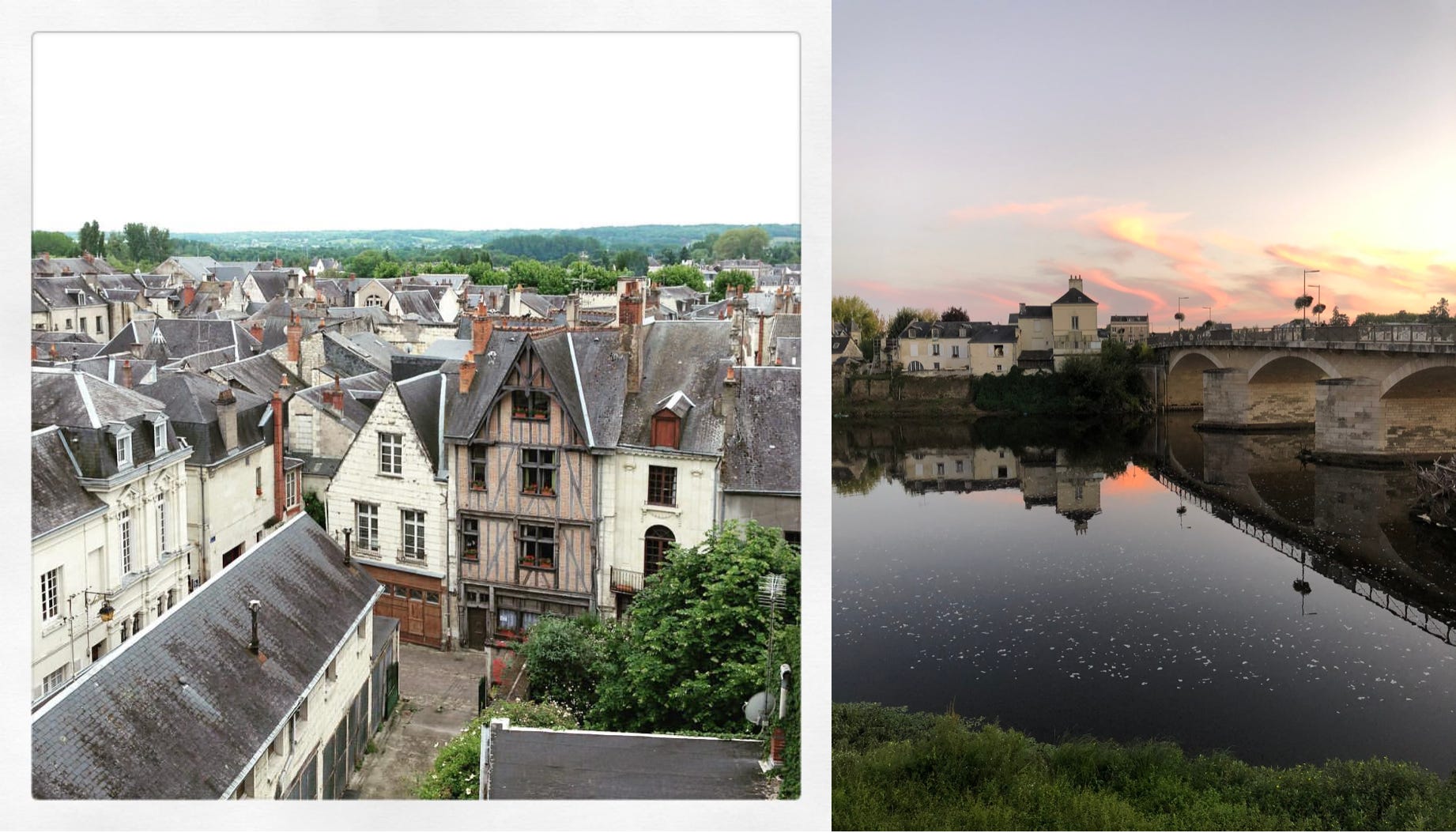
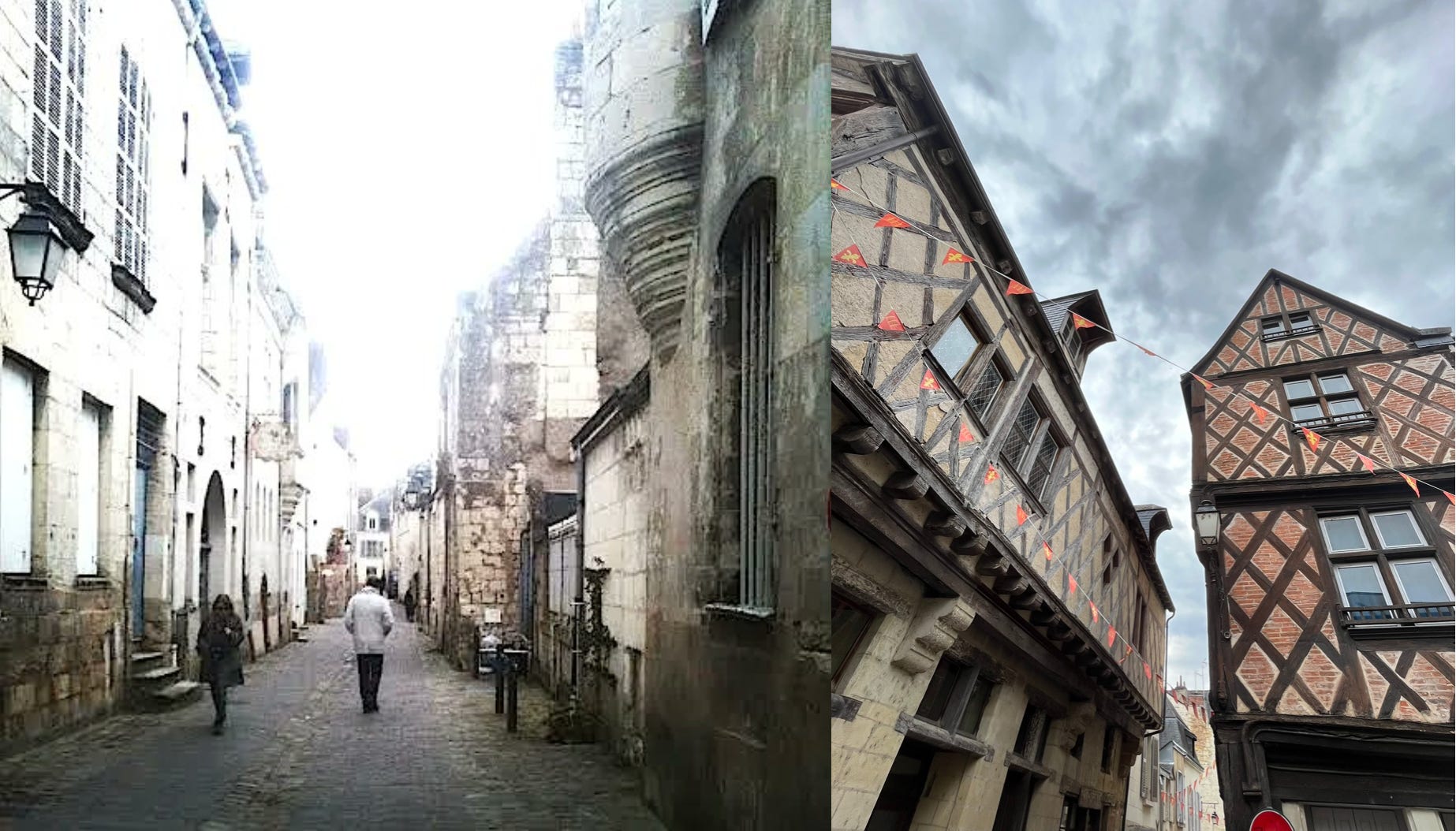
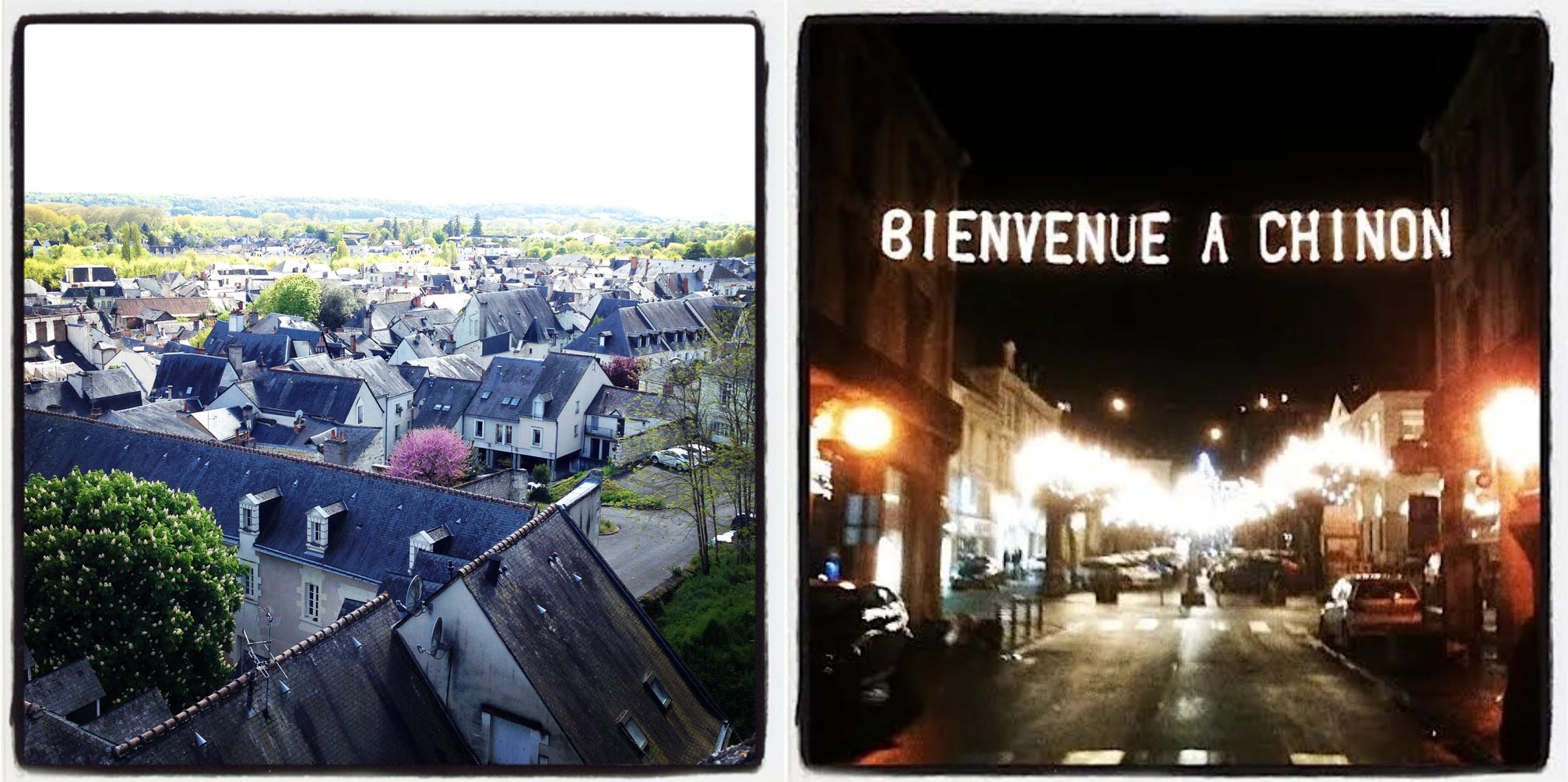
Paris isn’t my style. Is Chinon? Maybe. I feel at home here in a way I’ve never felt at home in any city or suburb around France in which I’ve lived. It’s a bit messy and disheveled, as far as small towns in France go, but I can say that’s normal for an authentic medieval town. I walk through the narrow, cobbled streets and still marvel, 11 years in, that these houses built in the 13th, 14th, 15th, 17th, and 18th centuries have been lived in by families continuously since they were built.
Through wars and upheaval, through English kings and French, through an occupation and in peaceful times, an unbroken chain of lives. An uninterrupted flow of daily lives bustling behind these same limestone walls and through these uneven, twisted streets.
The Hôtel Diderot is one such place in the long history of Chinon. Built in the fifteenth century, it housed the canons of the Collegiate Church of Saint-Mexme until the upheaval of the French Revolution, when the clergy were scattered and their grand and elegant homes confiscated by the state. It was sold to a wealthy family who used it as their winter “city home” until they eventually sold it back to the state who put it to use as the property tax offices and archives for the region, of which Chinon was the center. The ground floor still retains many of its fifteenth-century features: its massive oak beams, worn tuffeau stone, and the great original fireplace that once warmed the house’s earliest occupants.
The top floors and the roof, legend has it, were rebuilt after an 18th century fire. It makes me wonder whether the fire was simply an accident, or a casualty of the Revolution that so profoundly changed the fate of this house.
Interesting story : the hotel was created in the 1960s and used as a rudimentary hostel-type lodging for fishermen come to fish the Vienne River, American soldiers who still worked on the nearby base, and the odd traveller. The owners didn’t put any effort into renovating. It was the second owners in the 1970s who decided to restore the building. Pulling down plasterboard walls that had reshaped the inside of this magnificent old building into a series of cubicles, they uncovered the original 15th century fireplace and the 18th century staircase, both now protected features.
Of course we fell in love with the building. It was exquisite. Soft white stone, gracefully wrapped in roses and ivy twining up the walls and wrapping around windows. It was a hotel with a personality, a house that reflected centuries of continuous occupation, that breathed centuries of accumulated lives. Inside, the rooms were charming, old world style meets modern comfort. I knew - we knew - that we had to make a decision as fast as possible or the chance to own this property and business would slip through our fingers.
I had really been hesitant about buying and running a hotel. I mean, could we actually do it? Well, I never doubted my husband could…he can and has done anything and everything he’s put his mind to. And he had run companies both large and small, overseeing dozens and dozens of employees and multi-million (billion?) euro budgets. But could I? I have always been more comfortable working alone, which is why research and writing suit me so well. And I was terrified that taking on this project would interfere with my writing career (is it a career?). But I couldn’t say no to my husband. Or to our financial situation.
We recently had a discussion with our son about all those people we see on social media and YouTube who buy a château and turn it into a bed & breakfast or start some lovely little business, then shut it down after a few years. Just quitting. These projects were dreams that could be picked up or dropped on a whim. Remember I wrote about that, about “living the dream”? When those folks get tired or bored, or when they realize just how much hard work and long hours it requires to run a business like that, they shut it down. Turn to something else. Or not. Whatever.
“They’re just living the dream,” I remarked - or maybe my husband did - with a roll of the eyes and just a bit of a sarcasm in our tone. My son turned to us and said “but isn’t that what you guys did?”
Nope. We never had the dream to own a charming hotel in a small town in France. Moving to Italy might have been a dream. Quitting everything and moving to Nantes might have been a dream. But we’ve never had the pleasure or privilege to live solely on our dreams, no matter how many quirky, risky, ultimately exciting changes we’ve made in our lives. We had to earn a living.
And that’s how we came to own a hotel. We had found ourselves in the situation of needing work. My husband had left his position (I explain all about it in the post linked to below for paid subscribers) and had a limited time to find a new job. Yes, for many reasons, he was the big breadwinner of the family. (I explain a lot of that in my memoir extracts for paid subscribers). In France, once one reaches a certain age, a certain level of expertise and title, a certain salary, it’s incredibly difficult to find a job. Positions at that level may be advertised, but the job is almost always given to someone already working within the company. So, no matter how qualified (or over-qualified) he was, nothing was landing.

So we only had one solution : to own our own business.
So buying a hotel - which made perfect sense - was a necessary work/life decision and had nothing to do with “living the dream.” Our dream was simply to be financially stable with an income, an activity that we thought we were qualified to do.
We never ever had the option to just change our minds, shut up shop, drop
We wouldn’t have, don’t have that choice.
People used to ask me “aren’t you excited?” About owning and running a hotel in the middle of France, I assumed. I was never excited. I was….nothing. How could I be excited over something that I had absolutely no idea how to imagine? I have always had a difficult time imagining the unimaginable. Always. I was curious, maybe. I was reticent, not only doubting my own capabilities, but worried whether or not I would have the time to write.
But the decision was made, the offer accepted, the bank loan secured, and at the end of January 2015 (my birthday!) we bought a hotel. And we moved in.

And then there is the hotel, with its own long, complicated, improbable story. I’ll tell you more about that in the next post.
Thank you for reading and subscribing to my Substack Life’s a Feast. Please leave a comment, like and share the post…these are all simple ways you can support my writing and help build this very cool community. If you would like to further support my work and the creation and development of the recipes, please consider becoming a paid subscriber.
I very much enjoyed reading your thoughts about Paris and your life in Chinon. I stayed at Hotel Diderot during my first trip to France in October 2007. It was quite cold then and my most vibrant memory is of having breakfast near the warmth of the massive fireplace, sitting at the community table with an impossible variety of jam jars lined up down the middle. Although born of necessity, thank you for carrying on the hotel’s traditions and writing about them! It brings back wonderful memories!!
Bon Chance! Your article was wonderful. Mercci